Why Trust Our Tools?
The Debt-Free Plan: How to Pay Off Debt Faster
Carrying credit card balances, a car loan and student loans at the same time can feel like running in place: most of each payment goes to interest, and the balances barely move. Getting out requires three things: a clear list of what you owe, a payoff order you'll stick to, and extra money aimed at one debt at a time.
Use our debt payoff calculator to create your own debt freedom plan.
Recommended Debt Freedom Resources
As an Amazon Associate, we earn from qualifying purchases.
These books are popular with people working their way out of debt:
-
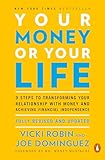
Your Money or Your Life by Vicki Robin - Frames spending in terms of the hours of your life it costs, a powerful mindset shift for anyone paying off debt.
-
I Will Teach You to Be Rich by Ramit Sethi - Practical systems for automating debt payoff and building wealth afterward.
-
The Psychology of Money by Morgan Housel - Understanding why we get into debt helps us stay out.
Step 1: The Reality Check
List everything:
- Every debt: balance, interest rate and minimum payment
- All income sources
- Every expense for the last two or three months
- Your payoff date if you only pay minimums
Facing the full picture is uncomfortable, but you can't plan around numbers you haven't seen. Minimum payments alone can stretch credit card debt out for many years.
Step 2: Choose Your Payoff Method
Snowball: Pay minimums on everything, then put all extra money on the smallest balance first. Quick wins keep you motivated.
Avalanche: Put all extra money on the highest interest rate first. Mathematically, this costs the least interest.
Hybrid: Knock out one or two tiny balances for momentum, then switch to avalanche.
A Worked Example (Hypothetical)
Debts totaling $37,500:
- Credit card A: $7,000 at 24% (minimum $210)
- Credit card B: $1,500 at 18% (minimum $45)
- Car loan: $4,000 at 7% (minimum $120)
- Student loan: $25,000 at 5.5% (minimum $280)
Paying $700 a month more than the minimums:
- Avalanche: debt-free in about 31 months, about $3,500 in total interest
- Snowball: debt-free in about 31 months, about $3,940 in total interest
Paying only the minimums: about 75 months and roughly $11,000 in interest.
The biggest win isn't the method. It's the extra $700 a month. Pick the method you'll actually stick with. Run your own numbers in our debt payoff calculator or compare approaches in our snowball vs. avalanche guide.
Step 3: Lower Your Interest Rates
- Call your card issuers and ask for a lower rate, especially if you've paid on time
- Balance transfer cards can offer 0% for a promotional period, usually with a 3-5% transfer fee; only worth it if you'll pay the balance off before the promo ends
- Debt consolidation loans can replace high card rates with a lower fixed rate, if your credit qualifies
- Federal student loans: Check income-driven repayment and forgiveness options at StudentAid.gov before refinancing into a private loan, which gives those protections up
Step 4: Find Extra Money
Cut Expenses
The biggest savings usually come from a few large categories:
- Housing: A roommate, a cheaper place or renting out a room
- Transportation: A cheaper car or fewer cars
- Food: Planning meals and cooking at home
- Subscriptions and bills: Cancel what you don't use, and call to negotiate insurance, phone and internet
A zero-based budget, where every dollar gets a job, makes it easier to see what's left for debt.
Increase Income
- Ask for a raise or look for a better-paying role
- Pick up overtime or a side hustle (see our side hustle guide)
- Sell things you don't use
- Send every windfall (tax refunds, bonuses, gifts) straight to debt
Step 5: Build a Small Emergency Fund First
Without any savings, the next car repair goes on a credit card and undoes months of progress. Many people keep a starter emergency fund of about $1,000 to one month of expenses while paying off debt, then build the full fund once the high-interest debt is gone. See our emergency fund guide.
Step 6: Stay Motivated Through the Hard Middle
The first months feel exciting. The middle, when balances fall slowly and sacrifices pile up, is where most people quit.
What helps:
- Track progress visually: A chart on the fridge or a spreadsheet that shows total debt falling
- Celebrate milestones cheaply: Each paid-off account is a real win
- Make small extra payments: Even $20 when you have it keeps momentum going
- Find accountability: A partner, friend or online community working toward the same goal
- Keep a little fun money: A plan that's too extreme is a plan you'll abandon
Relationships and Social Life
Paying off debt aggressively can strain relationships and social plans. Talk openly with a partner about the goal and the timeline, suggest low-cost ways to see friends, and remember the sacrifice is temporary.
Common Mistakes
Mistake #1: No Emergency Fund at All
One surprise expense sends you back to the credit card.
Mistake #2: Going Too Extreme
Cutting every comfort leads to burnout and binge spending. Build a plan you can sustain for years if needed.
Mistake #3: Never Asking for Lower Rates
A single phone call can lower your rate.
Mistake #4: Forgetting Taxes on Side Income
Set aside a portion of every side hustle payment for taxes, or you'll trade one debt for a tax bill.
Mistake #5: Closing Paid-Off Cards Immediately
Closing old cards can shorten your credit history and raise your utilization. If you can trust yourself, keep no-fee cards open and unused.
Life After Debt
Once the debt is gone, redirect the same monthly payments:
- Finish your full emergency fund
- Capture your full employer 401(k) match and increase retirement savings
- Save for known future expenses so they don't become new debt
- Invest for long-term goals
Because you're used to living without that money, redirecting it doesn't feel like a sacrifice.
Tools That Help
Budgeting apps: YNAB, Monarch or a simple spreadsheet Debt payoff planners: Our debt payoff calculator and credit card payoff calculator Communities: Online debt-free communities for motivation and accountability
Your Debt-Free Blueprint
- Week 1: List every debt, income source and expense
- Week 2: Choose snowball, avalanche or hybrid
- Month 1: Cut one big expense, find one new income source, and call to lower your rates
- Months 2-6: Automate your extra payment and track progress visually
- Month 7 and beyond: Throw every windfall at the debt and keep going
The Bottom Line
Debt payoff is simple math and hard behavior. List everything, pick an order, find extra money, and point all of it at one debt at a time. The method matters less than consistency.
This guide is educational and researched from public sources, not personalized financial advice. If you're overwhelmed, a nonprofit credit counselor (look for NFCC members) can help you review options.
Ready to create your debt-free plan? Use our Debt Payoff Calculator to see exactly when you'll be free. For budgeting strategies, check our Budget Calculator.
Ready to Take Action?
Use our free calculators to plan your financial future and start building wealth today.
Recommended Finance Books & Tools
As an Amazon Associate, we earn from qualifying purchases.
The Simple Path to Wealth
The #1 FIRE book for beginners
I Will Teach You to Be Rich
Automate your money system
The Psychology of Money
Change how you think about money
Rich Dad Poor Dad
Build assets, reduce liabilities
2026 Budget Planner
Track income and expenses
Financial Calculator
Crunch numbers on the go