Why Trust Our Tools?
Frugal Living: Spend Less on What You Don't Value, More on What You Do
Frugality isn't about denying yourself everything. It's about cutting spending that doesn't make your life better, so more money goes to the things that do: savings, freedom, experiences and people.
A high-cost city doesn't make this impossible. The biggest savings come from a handful of large decisions, not from skipping every coffee.
Use our budget calculator and savings rate calculator to see where you stand.
The Wake-Up Calculation
Try this: divide your monthly spending by your hourly take-home pay. A $2,000 rent at $30 an hour take-home is about 67 hours of work every month. A $600 car payment plus insurance is another 20 or more.
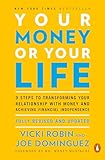
Seeing spending as hours of your life, the core idea in Your Money or Your Life, makes it easier to decide what's worth it.
Recommended Frugal Living Resources
As an Amazon Associate, we earn from qualifying purchases.
These books shaped the modern approach to intentional spending:
-
Your Money or Your Life by Vicki Robin - The original guide to frugal living with purpose. Teaches you to calculate the true cost of every purchase in hours of your life.
-
Die With Zero by Bill Perkins - The counterbalance to extreme frugality. Helps you optimize for life experiences, not just savings rates.
-
I Will Teach You to Be Rich by Ramit Sethi - His "spend extravagantly on what you love, cut ruthlessly on what you don't" philosophy is the essence of smart frugality.
A Sample Lean City Budget (Hypothetical)
This is an illustration for a single person sharing an apartment in a mid-to-high cost US city. Your numbers will differ.
- Rent (shared 2-bedroom): $1,100
- Utilities and internet (split): $100
- Phone (prepaid or MVNO plan): $25
- Groceries: $350
- Eating out: $100
- Transit pass and occasional rideshare: $120
- Health insurance (employer share): $150
- Gym or fitness: $25
- Entertainment and hobbies: $100
- Clothing and personal care: $60
- Gifts and miscellaneous: $70
- Total: $2,200
Whether that's realistic depends on your city, health, family and job. The point is the structure: housing, food and transportation are where the big decisions live.
Housing: The Biggest Lever
Roommates: Sharing a larger apartment often cuts rent dramatically compared with living alone.
Location trade-offs: A slightly less trendy neighborhood with good transit can cost much less than the hottest area.
Negotiate: Ask about renewal increases, longer leases or move-in specials, especially when vacancies are high.
House hacking: Owners can rent out rooms or units to offset their costs. See our house hacking guide.
Food: Where Budgets Quietly Leak
Meal planning: Plan the week, shop once from a list and cook in batches.
Shop smart:
- International and discount grocers often have lower prices on produce, spices, rice and beans
- Store brands are usually much cheaper for similar quality
- Buy staples in bulk if you'll actually use them
Eat out on purpose: Choose restaurant meals you'll really enjoy, instead of convenience meals because you didn't plan.
Transportation: Question the Car
For many city dwellers, the car is the second-biggest expense: payment, insurance, parking, fuel and maintenance.
If your city allows it:
- Transit plus biking or walking for daily trips
- Car-share or rental for occasional trips
- Rideshare for the rare late night
If you need a car, a reliable used car you keep for years is the frugal choice. See our car buying guide.
Entertainment Without Emptying Your Wallet
- Free museum days, library events, concerts in the park and community festivals
- Library cards (many libraries lend e-books, audiobooks, streaming access and even museum passes)
- Hobbies that cost little after the start: running, hiking, cooking, board games
- Happy hours instead of full dinners out
The Subscription Audit
Once a year, list every recurring charge from your bank and card statements.
Common cuts:
- Streaming services you rarely watch (rotate one at a time instead)
- Unused gym memberships
- App subscriptions and premium tiers you forgot about
- Duplicate cloud storage
Keep: The ones you use weekly and genuinely value.
Clothing: Look Good for Less
- Thrift and consignment stores, especially in wealthier neighborhoods
- A capsule wardrobe of versatile pieces
- One-in, one-out to prevent clutter
- Care for what you own so it lasts
Social Life on a Budget
- Host: Potlucks, game nights and movie nights cost a fraction of going out
- Suggest active plans: Hikes, bike rides, walks and free events
- Be honest: "I'm saving for something big" is a complete sentence
- Keep some budget for friends: Isolation is not the goal
Health Without Big Spending
- Budget gyms or free outdoor exercise
- Running, walking and bodyweight workouts cost almost nothing
- Use preventive care covered by your insurance
- Cooking at home tends to be healthier as well as cheaper
The Psychology of Frugality
Deprivation vs. Optimization
Deprivation: Cutting everything, including what you love, and feeling miserable.
Optimization: Cutting what you don't care about so you can afford what you do.
The Happiness Question
Research on money and well-being suggests experiences, time with people and a sense of control tend to matter more for happiness than accumulating things. Spending less on stuff can free money for those.
What a Higher Savings Rate Makes Possible
Your savings rate, not your income, largely determines how fast you reach financial independence.
Hypothetical: saving $2,000 a month at a 7% average return:
- After 10 years: about $346,000
- After 20 years: about $1.04 million
Run your own numbers with our savings rate calculator.
Common Objections
"What about dating?" Plenty of good dates are cheap: walks, picnics, free events, cooking together.
"What about my career?" Spend where it pays off: education, professional clothing you'll wear, networking that matters.
"What about emergencies?" A frugal lifestyle makes it easier to build a strong emergency fund.
"What about fun?" Budget for it on purpose. A plan without fun doesn't last.
Your Frugal Living Action Plan
Week 1: Audit Everything
Track every dollar and calculate your current savings rate.
Week 2: Cut the Big Three
Look hard at housing, transportation and food before anything else.
Month 1: Experiment
Try one month with a meal plan, a subscription purge and one car-free week if possible.
Months 2-3: Optimize
Keep what worked, drop what made you miserable, and automate the savings.
Month 4 and Beyond: Enjoy
Spend freely on the things you've decided truly matter.
The Bottom Line
Frugality is choosing what matters. Make a few big decisions well, cut spending that doesn't improve your life, and direct the difference to your goals and the experiences you value most.
This guide is educational and researched from public sources, not personalized financial advice.
Ready to optimize your spending? Use our Budget Calculator to build your plan and our Savings Rate Calculator to track your progress.
Ready to Take Action?
Use our free calculators to plan your financial future and start building wealth today.
Recommended Finance Books & Tools
As an Amazon Associate, we earn from qualifying purchases.
The Simple Path to Wealth
The #1 FIRE book for beginners
I Will Teach You to Be Rich
Automate your money system
The Psychology of Money
Change how you think about money
Rich Dad Poor Dad
Build assets, reduce liabilities
2026 Budget Planner
Track income and expenses
Financial Calculator
Crunch numbers on the go